

Promoting Healthy Sexuality
"If you get relationships right, everything else will fall into place."
- David Pitonyak
What is “Healthy Sexuality”?
The word sexuality can feel like a tough or even uncomfortable topic for families and professionals who support adults with intellectual disabilities. It’s easy to think it just means “sex,” but it’s so much more than that.
Sexuality is part of who we are. It includes how we see ourselves, how we show affection, how we connect with others, and how we express our feelings and identity. It touches on things like body image, confidence, boundaries, relationships, and communication — all of which play a big role in overall quality of life.
Healthy sexuality isn’t about encouraging sexual behavior; it’s about helping people understand themselves and others in safe, respectful, and empowering ways. It’s about knowing how to say “yes,” how to say “no,” and feeling confident that both answers will be respected.
At Elevated Support Services, we believe that everyone deserves clear, honest information about their bodies, relationships, and rights. When we talk about sexuality openly — without fear or shame — we help people build stronger self-esteem, safer relationships, and a greater sense of independence.
The Importance of Relationships
Relationships are a fundamental part of being human. They’re not just something we desire, they’re actually a biological need. From the moment we’re born, our brains and bodies are wired for connection. Relationships help us feel safe, valued, and understood, and they play a vital role in emotional and physical health throughout life. For adults with intellectual disabilities, opportunities to form and maintain friendships or romantic relationships are sometimes limited by overprotection or lack of support. Yet these connections are essential for learning trust, communication, empathy, and self-worth. Supporting healthy relationships means recognizing that we all have the same need for love, belonging, and companionship and that these experiences are a vital part of personal growth and quality of life.
Why talking about sexuality matters.
For adults with intellectual disabilities, conversations about sexuality are often avoided out of fear, discomfort, or the mistaken belief that “they don’t need to know about that.” Yet avoiding these conversations doesn’t make sexuality go away; it only increases confusion, misinformation, and vulnerability.
When people are not given access to accurate, age-appropriate information about their bodies, relationships, and consent, they may learn from unreliable or unsafe sources. They may struggle to understand personal boundaries or how to communicate their own needs. In some cases, this lack of education can make individuals more susceptible to manipulation, coercion, or abuse.
Addressing sexuality directly — with honesty, sensitivity, and respect — helps build essential life skills. It teaches people how to recognize safe and unsafe situations, how to express affection appropriately, and how to give or withhold consent. It also empowers people by fostering self-respect, confidence, and body autonomy.
Families and professionals play a vital role in this process. When caregivers and paid supporters feel comfortable having these conversations, they model healthy attitudes and help create a culture of openness rather than shame. This not only protects individuals from harm but also supports their right to experience love, connection, and belonging just like anyone else.
Promoting healthy sexuality is ultimately about inclusion. It affirms that every person, regardless of ability, deserves the opportunity to understand themselves, form meaningful relationships, and make informed choices about their lives.
How Elevated Support Services Can Help
We provide a variety of services and supports to help families, providers, and organizations navigate conversations about sexuality and relationships with confidence and compassion. Our approach emphasizes dignity, autonomy, and safety — ensuring that every person has the knowledge and tools they need to make informed choices about relationships, consent, and personal boundaries.
We recognize that relationships are a biological and emotional necessity. Every person deserves the chance to love, be loved, and feel connected. Our work focuses on helping individuals build the skills needed to form and maintain safe, meaningful, and respectful connections. Through education, coaching, and individualized supports, we help people learn about communication, trust, and boundaries, while helping families and staff feel more confident discussing these topics openly and appropriately.
We offer behavioral support, sexual consent and risk assessments, and training for supporters, families, and individuals designed to create environments where healthy sexuality and healthy relationships can grow. Whether we’re working one-on-one with an individual, supporting a team, or guiding family discussions, our goal is to promote understanding rather than fear and to help every person feel empowered, safe, and seen.
Ready to Learn More?
If you’re ready to start these conversations but aren’t sure where to begin, we’re here to help. Elevated Support Services offers guidance, tools, and education tailored to the unique needs of adults with intellectual disabilities — and to the families and professionals who support them. Together, we can replace fear and uncertainty with confidence, clarity, and respect.
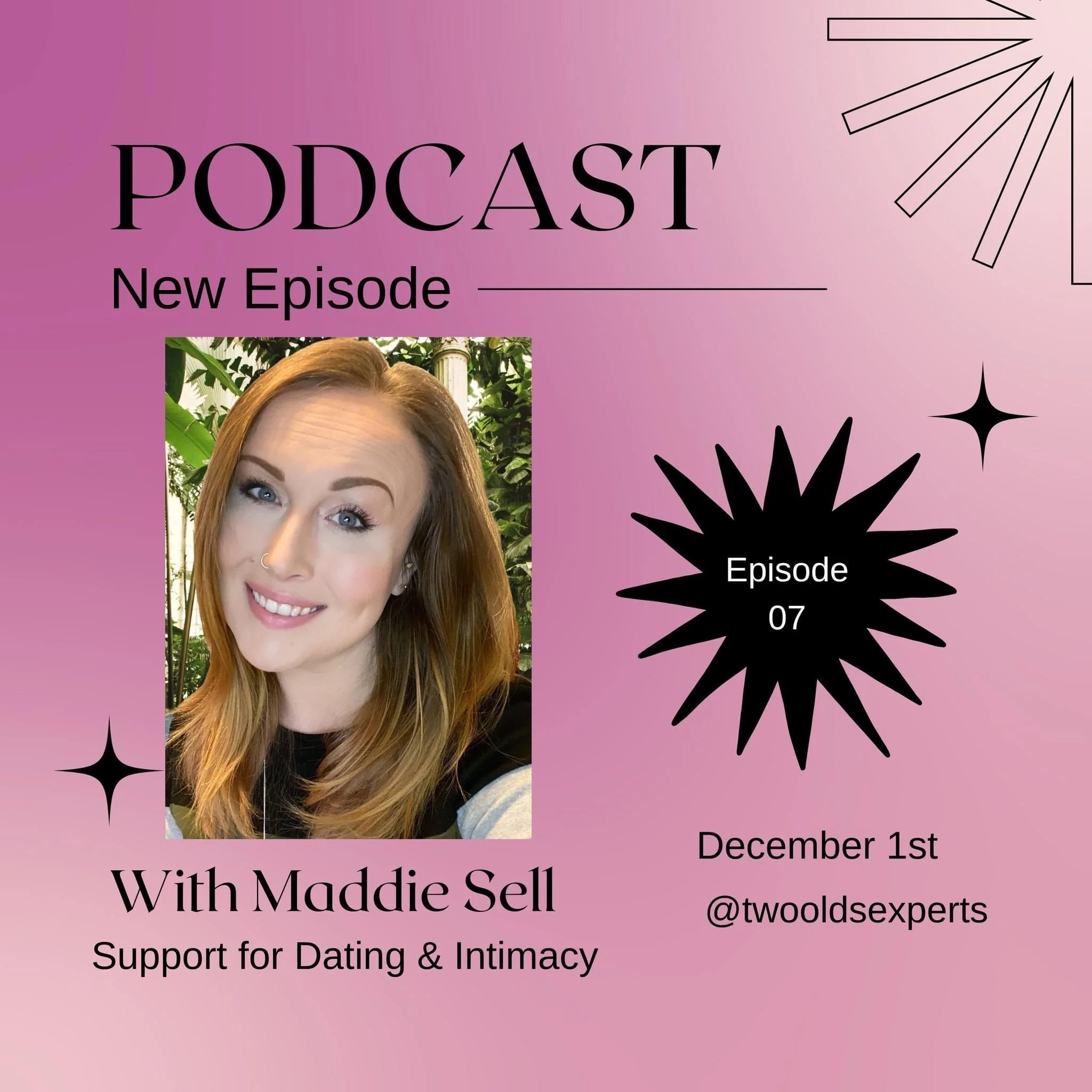

Maddie joined Shawn McGill and Sharon Potter, pioneers in supporting healthy sexuality in adults in the ID/A community, to discuss support for dating and intimacy on Season 1, Episode 7 of their podcast, Two Old Sexperts!