About Elevated Support Services
Elevated Support Services was founded in 2023 by Maddie Sell, LPC, NCC.
We believe in utilizing a holistic approach to supporting adults in the ID/A community who have “challenging behaviors”. We integrate the Positive Approaches, Everyday Lives, Person Centered Thinking, and Trauma-Informed Care paradigms to empower the people we support to make positive choices, remain healthy and safe, have fulfilling relationships, and live and work in their community.
We say “challenging behaviors” because we know that all behavior has meaning, and behaviors that others see as challenging are simply a way for the people we support to get their needs met in the only way they know how. We believe in a strength-based approach that teaches interpersonal, emotional, and decision-making skills so that the person can get their needs met in healthy ways and ultimately, increase their quality of life.
Mission, Vision, & Values
-
Elevated Support Services’ mission is to empower people with intellectual and developmental disabilities to reach their highest potential through active partnership, advocacy, and engaging in person-centered planning which increases autonomy and fosters inclusion, stability, and successes on their life’s journey.
-
Elevated Support Services’ vision is to provide innovative, quality supports to people with intellectual and developmental disabilities that promote individuality, personal choice, and relationships of all kinds and lead to true belonging and achieving the most fulfilling life possible.
-
Elevated Support Services is devoted to providing services with the tenants of the Positive Approaches, Everyday Lives, Person-Centered Thinking, and Trauma-Informed Care philosophies in mind. These values frame the way in which Elevated Support Services operates as an agency, develops policies, and makes decisions. These values include:
Person-Centered Practices: We believe in consistency in language, values and actions—that reveals respect, views the person and their loved ones as experts in their own lives, and equally emphasizes quality of life, wellbeing, and informed choice. The driving force behind the way we support people is what matters most to the person receiving services above all. We assert that everyone has value and deserves engagement that is dignified and respectful, no matter what their diagnosis. We believe that language has power. Language is a tool that reflects our attitudes and beliefs. We believe that thoughtful language choices have the power to support meaningful partnerships with people who receive services and ultimately bolster their success.
Trauma-Informed Support: We assume that a person is more likely than not to have a history of trauma. We recognize the presence of trauma symptoms and acknowledge the role trauma may play in person’s life. We understand and consider the pervasive nature of trauma and promote environments of healing and recovery, rather than practices and services that may inadvertently re-traumatize the person.
All Behavior Has Meaning: We strongly believe that all behavior has meaning and that a person’s behavior can be a method to communicate needs and wants, or the manifestation of some clinical issues. We believe that problem behavior may best be viewed as evidence of skill deficits (i.e., people exhibit challenging behavior because they lack other skills for effectively dealing with situations). Given this perspective, we are committed to build competencies that are critical to producing broad, durable behavior change and that provide appropriate ways to meet a person’s needs, promote self-sufficiency, and enhance access to people and activities.
Relationship Building: We believe that relationship building between staff and participants is essential. Developing a good rapport with the people we support, allowing them to get to know their supporters, and ensuring that staff are people the participants can look to, trust, and respect are key in developing a healthy and strong relationship. We believe that when a strong relationship has been formed and staff are able to focus on the positive aspects of the participant, challenging behaviors are less likely to occur. We believe that supporting healthy sexuality is imperative in ensuring that participants experience a quality of life that is consistent with an everyday life. We believe that people with disabilities have the right to experience a life that is no different than that of people without disabilities – including the ability to pursue relationships and explore their sexuality – without being neglected, exploited, or abused.
Empowerment: We strongly support the individuality and personal choices of each person who receives services. We believe in getting to know each person, his or her unique qualities, as well as his or her personal history. We believe in creating an atmosphere in which all are comfortable enough to speak freely, that we all listen carefully and respectfully, that we take each person seriously, and finally, that we honor what we hear. We strive to assist participants to grow and develop, to make their own decisions, to achieve their personal goals, to develop relationships, and enjoy life as full members of the community. We strive to create an atmosphere that assists participants and families of all abilities develop a vision for a good life, think about what they need to know and do, identify how to find or develop supports, and discover what it takes to live the lives they want to live.
Elimination of Restrictive Procedures: We believe that restrictive procedures should only be used as a last resort and only if the person is a risk to the health and safety of themselves or others. We believe that the use of restrictive procedures negatively impacts a person’s sense of control, which ultimately leads to frustration and a lesser quality of life. We believe that prevention is critical to any plan to support the person when reducing and eliminating restraints and other restrictive procedures. We believe that restraint is not treatment or a substitute for treatment.
Everyday Lives: We value what is important to people with disabilities and their families, who are striving for an everyday life. An everyday life is about opportunities, relationships, rights, and responsibilities. It is about being a member of the community, having a valued role, making a contribution to society, and having one’s rights as a citizen fully respected. It is a vision that we should all be working toward together. We believe that people with disabilities have a right to an everyday life; a life that is no different than that of all other citizens.
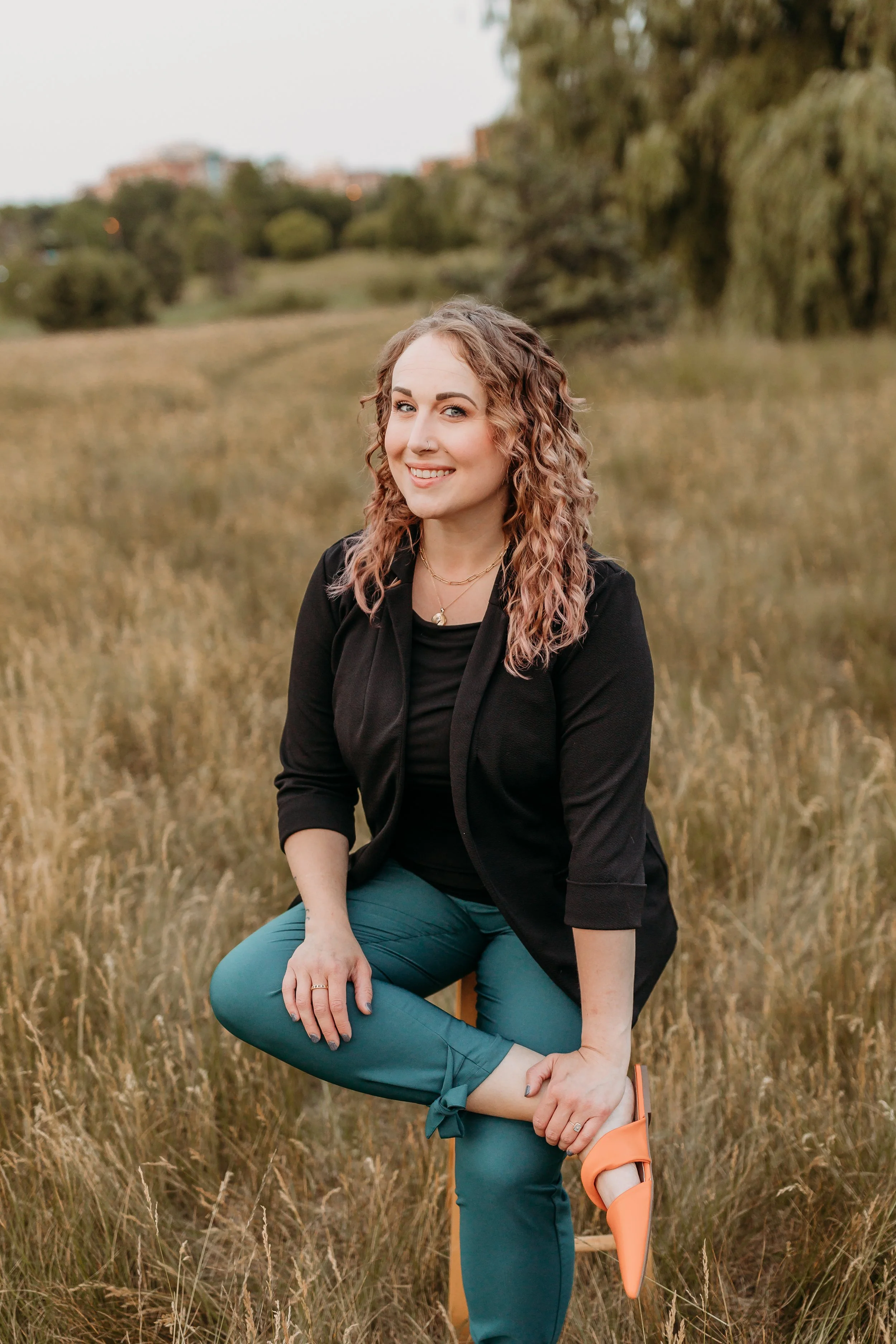
About Maddie Sell, LPC, NCC
Maddie Sell, LPC, NCC graduated with her Bachelor of Science degree in Psychology from The Pennsylvania State University in 2009. Upon graduating, Maddie was unsure as to the next step in her life. Having dreamed of being an attorney since age 10, she had changed her major after taking an introduction to psychology course during her first semester. She had no idea what she would do with her degree at the time; she only knew she was passionate about the workings of the human mind. Despite no clear direction, she needed to pay the bills. A friend who worked as an administrative entity staff recommended applying as a home and community habilitation specialist with a local provider of services to adults with intellectual and developmental disabilities. Maddie was hesitant due to having no experience in working with that population, but decided to give it a shot anyway. Less than a year later, a colleague who provided Behavioral Support to a woman Maddie supported urged her to apply for an open position in the agency’s Behavior Support Services department. Maddie has worked as a Behavior Specialist ever since.
In 2018, Maddie received her Master of Arts degree in Clinical Mental Health Counseling from Wake Forest University, where she was a member of the Chi Sigma Iota Counseling Honor Society and was awarded the National Certified Counselor designation. She was then hired by The Arc of Centre County to develop a Behavior Support Services department for their agency. Maddie received her professional counseling licensure in 2023. After working as the Director of Behavior Support Services for The Arc for 5 years, Maddie founded Elevated Support Services and became a qualified provider of Behavioral Support through the PA Department of Health Office of Developmental Programs.
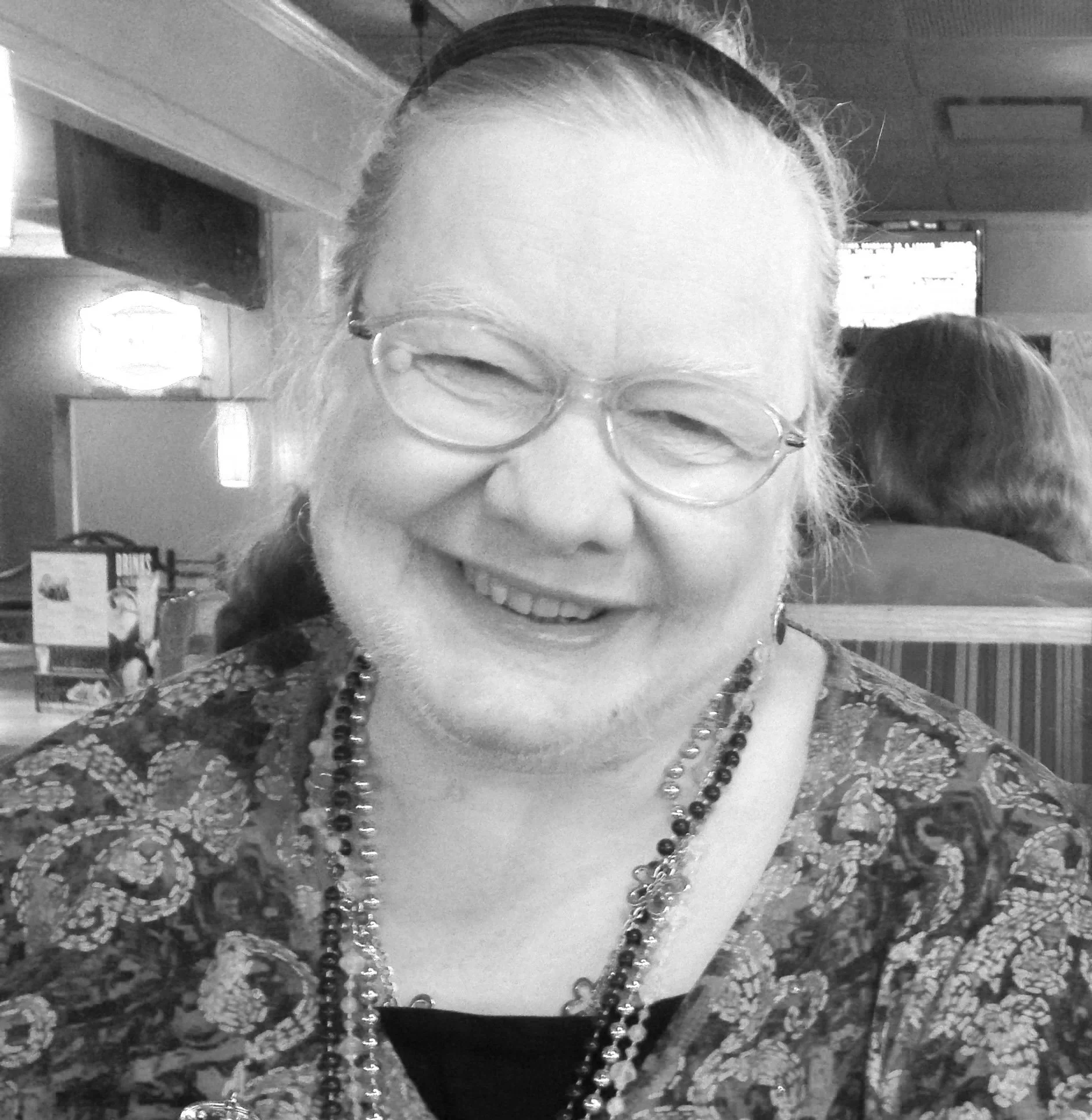
In Memory of Cynthia Hunt
December 1, 1947 — February 10, 2017
“Almost 8 years ago, fresh out of college, I was shadowing a co-worker in order to eventually take over her caseload as a home and community support person. On a Thursday morning in July, I walked into an elderly woman’s apartment and introduced myself. As my co-worker informed the woman that I would be her new support person, the woman turned away and refused to look at me. I commented on the Elvis memorabilia she had covering almost every square inch of her apartment, and told her that my cousin loved Elvis, too in an effort to build a connection with her. She didn't budge. I soon learned that this woman was a very warm and friendly person, but was fearful of new people in her life. Eight months later, I received an offer to work in the Behavior Health department. By that time, this woman and I had grown very close. I supported her two days a week but was in contact with her almost every day. She had my personal cell number and called me for anything she needed, as her only natural support was a cousin who lived in North Carolina. Thankfully, I managed to find a way to have my full time job as a BSS and continue to support her to live the incredibly full life she always had. She loved to go shopping and to outdoor concerts, and the first time I ever saw the Wake Forest campus was when I took her to visit her cousin a few years ago. Even if I had a terrible day, she always knew how to crack the perfect joke to make me smile. She got such a thrill out of ‘picking' on people and then saying, ‘I’m in a picky mood today!’ or ‘I don’t know how to behave!’ Two weeks ago, she teased me about making her liver and onions. She knew I hated touching and smelling the stuff, but that I would always make it (I’d only complain/tease her about it a little) because it was her favorite. I promised her I’d make it for her the next time I was with her. Tonight, I sat beside her while she took her last breath. In a matter of a week and a half, everything in her life and mine changed. This woman taught a 20-something girl the patience, compassion, and strength needed to grow into a strong 30 year old woman. She filled my life with so much joy and purpose. For that, I will be forever grateful. I’d do anything to make her liver and onions one last time. Rest in peace, sweet friend.” - Maddie Sell, 2/10/17